
How to choose a radiation detector for the task.
Choose by measurement purpose, radiation type, expected range, units, operating environment, alarms and required evidence. Do not begin with price alone.
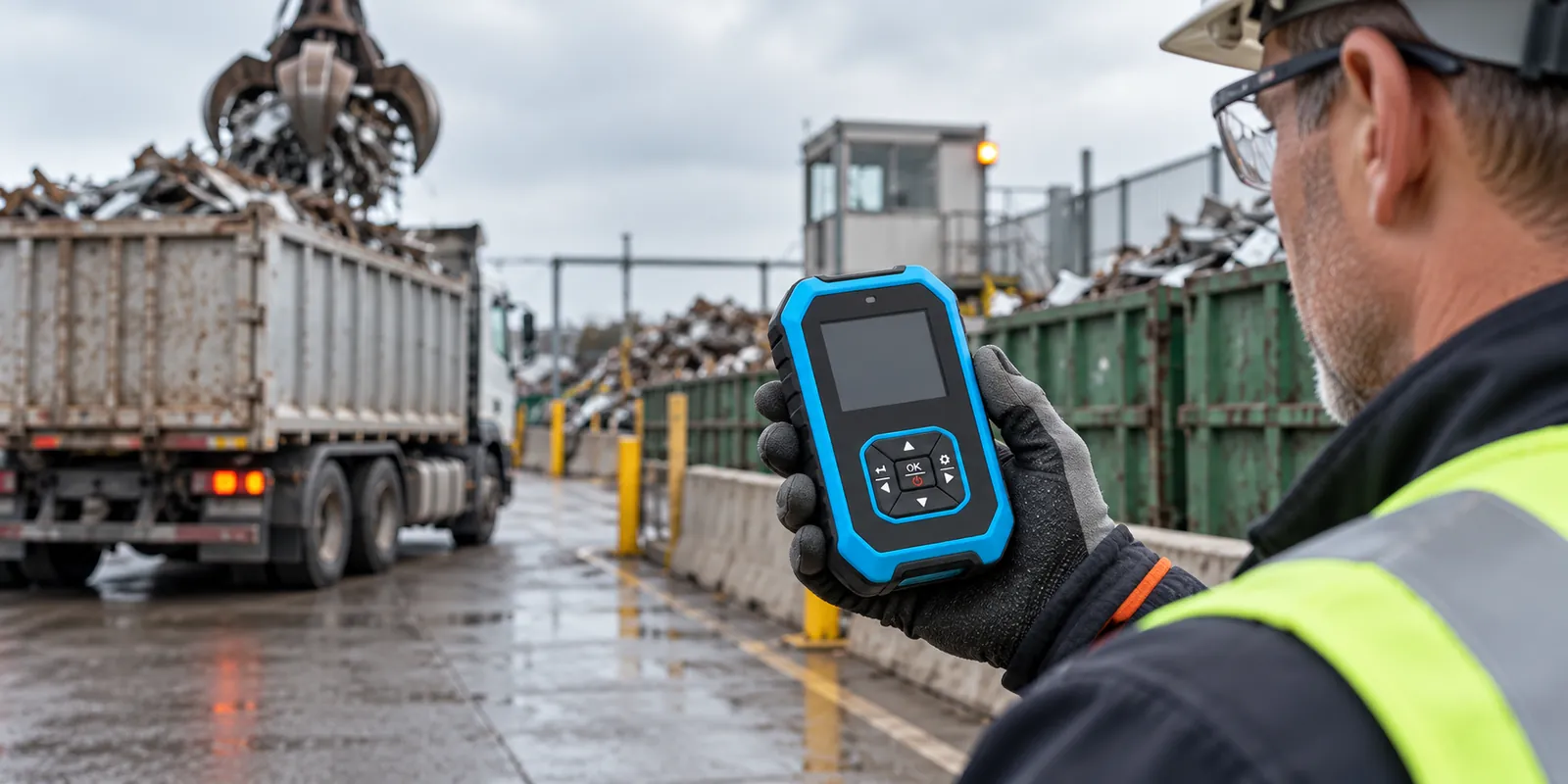
Answer seven questions before comparing models.
What is the measurement purpose?
Separate object or area screening, professional survey work and personal dose monitoring.
Which radiation type matters?
State alpha, beta, gamma, X-ray or an unknown source that needs a broader technical discussion.
Which range and unit are required?
Provide expected background and upper range when known, along with the unit used in your procedure.
How will alarms be used?
Consider sound, light, vibration and adjustable thresholds in the real work environment.
Where will the instrument operate?
Field work, dust, moisture, temperature, gloves, low light and decontamination routines can affect selection.
What records are mandatory?
List manuals, data sheets, calibration evidence, supplier records and language needs.
What are the order conditions?
Quantity, destination, timing, packaging, OEM scope and after-sales expectations belong in the brief.
Match the device category to the job.
| Route | Typical purpose | Questions to confirm |
|---|---|---|
| Geiger counter | Portable detection and general screening | Sensor, radiation types, units, range and response |
| Personal dosimeter | Track individual exposure over time | Cumulative dose, wear method, alarms and records |
| Survey meter | Professional area or source measurement | Probe, range, energy response, calibration and environment |
| Contamination monitor | Surface contamination checks | Radiation type, window or probe, geometry and procedure |
| Fixed monitoring system | Continuous area or process monitoring | Installation, alarms, data, integration and maintenance |
Avoid these shortcuts.
Choosing by appearance
Two similar handheld devices can use different sensors and measurement logic.
Treating all units as equal
Count rate, dose rate and cumulative dose describe different things.
Assuming every certificate applies
Check the issuing organization, product scope, model identity and date.
Ignoring the workflow
Alarm method, gloves, reading distance and reporting can matter as much as the display.
Buying before checking documents
Required records should be confirmed before payment or shipment.
Requesting price without a brief
A low number is not useful if it describes the wrong instrument or order basis.
Send the seven answers and ask for a matched route.
Share the application, radiation type, quantity, destination country and any documents your purchase process requires.